
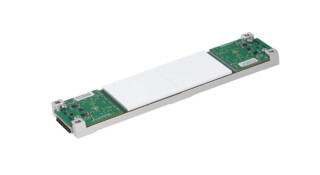
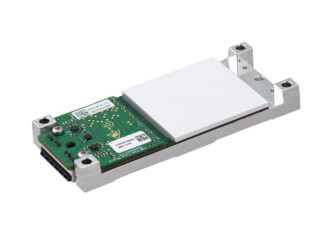
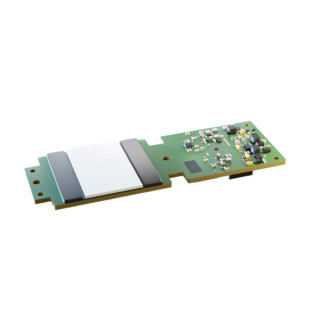
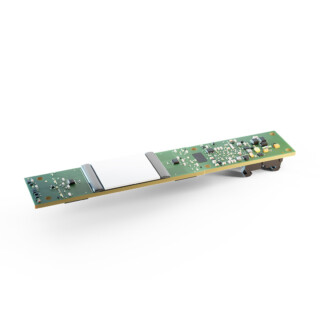


X-Panel 4386a FPM-CSV-TG
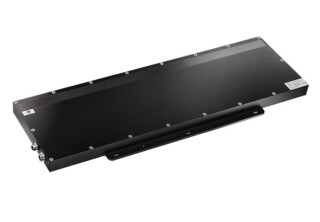
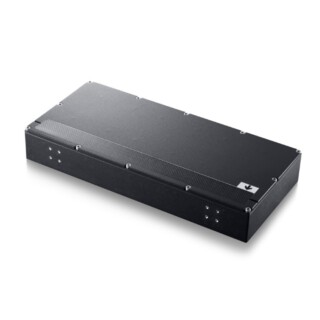
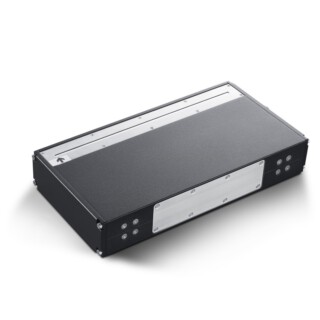
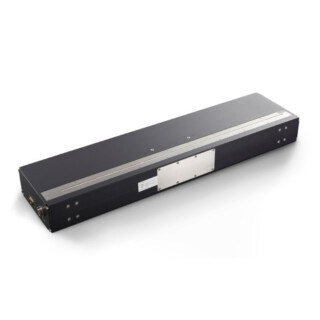
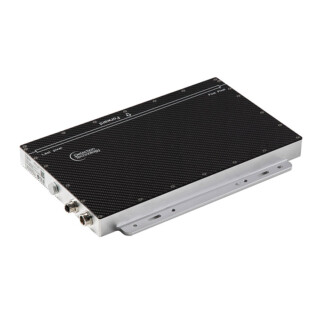
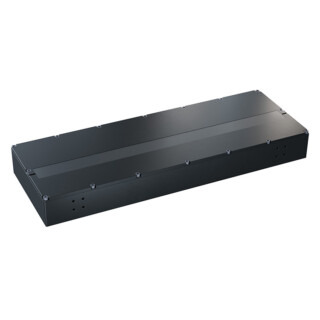
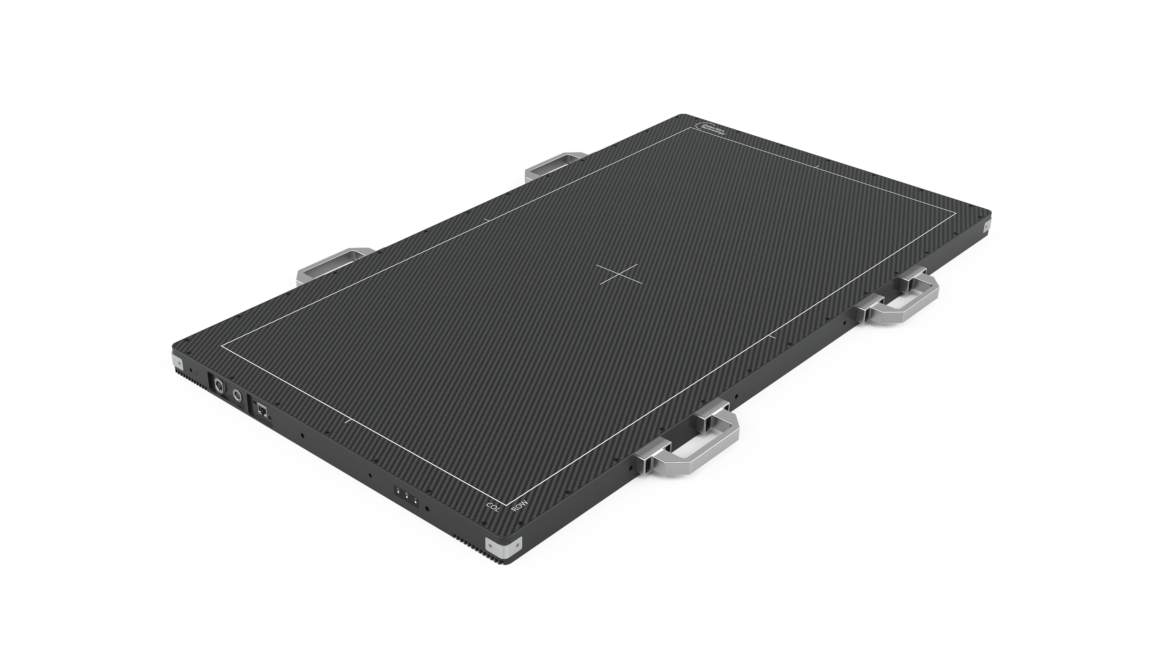
X-Panel 4386a FPM-CSV-TG is a very large dynamic amorphous silicon (single-glass a-Si-TFT) flat panel detector (FPD) with direct-deposition CsI scintillator optimized for medical CBCT imaging.
| Product | X-Panel 4386a FPM-CSV-TG |
| Technology | |
| Sensor | Single-glass a-Si-TFT Panel |
| Scintillator | CsI |
| Active area | 430 x 860 mm |
| Pixel matrix | 3072 x 6144 |
| Pixel pitch | 140 μm |
| ADC | 16 bits |
| Interface | |
| Data interface | 10 G Ethernet |
| Frame rate | 15 fps (1×1) / 30 fps (2×2) / 45 fps (3×3) / 60 fps (4×4) Higher frame rates with ROI modes |
| Mechanics | |
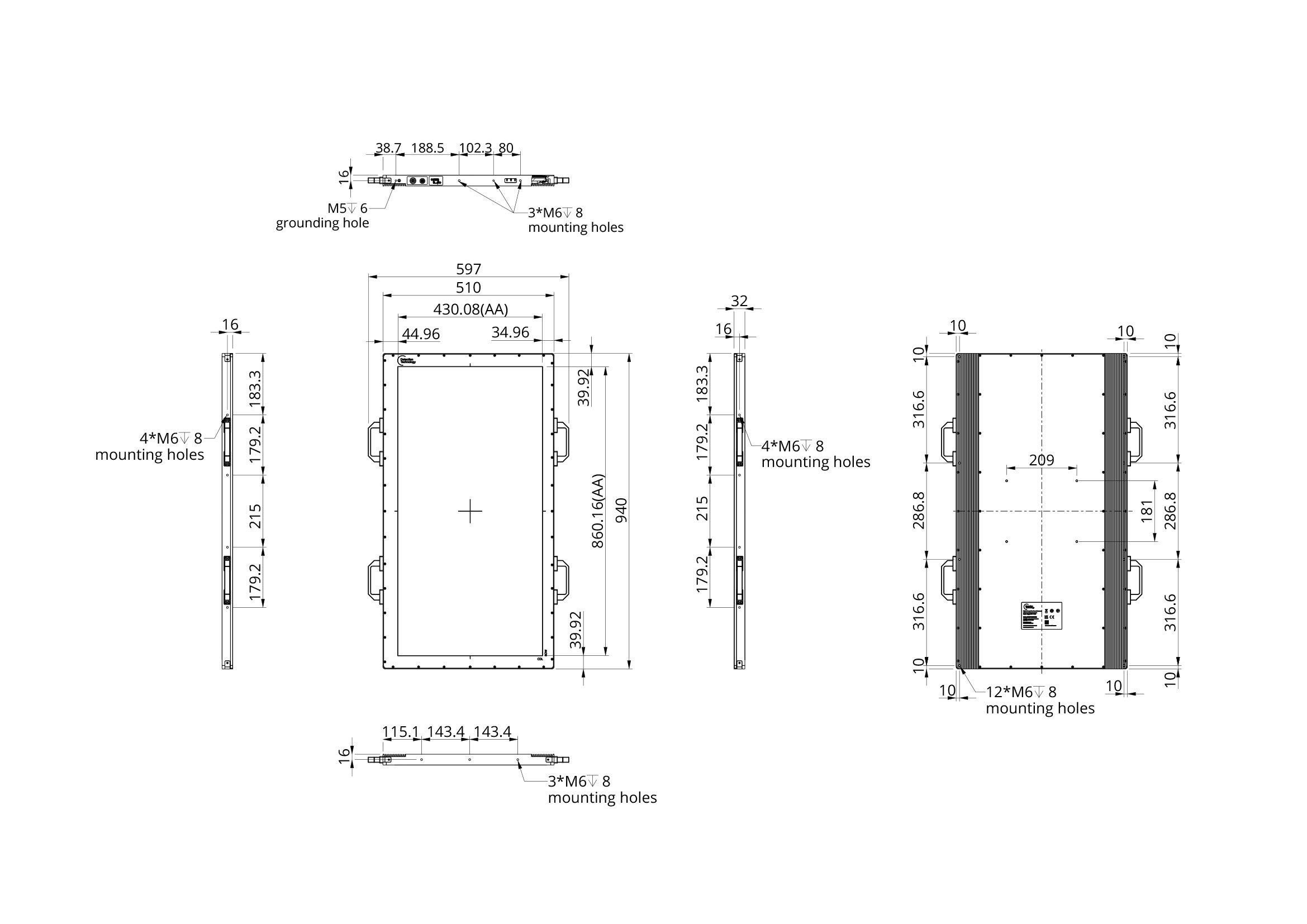
| Dimensions (H x W x D) | 940 x 510 x 32 mm |
| Weight | 27 kg |
| Environmental | |
| Temperature | 10~40°C (operating); -20~50°C (storage) |
| Humidity | 30~75% RH (operating/non-condensing) |
| IP rating | IPX0 |
| Power | |
| Consumption | 42 W |
| Applications | Medical CBCT, fluoroscopy |
FAQs
1. What is the X-Panel 4386a FPM-CSV-TG?
X-Panel 4386a FPM-CSV-TG is a dynamic, extra-large flat panel detector for medical cone-beam CT (CBCT). It is built on single-glass a-Si TFT technology with a CsI scintillator, and its 430 × 860 mm active area is twice the size of a conventional 43 × 43 cm detector. That lets system designers capture much more anatomy in a single rotation.
2. Which medical applications is it designed for?
It is designed for CBCT systems that need a large field of view and fast acquisition. Examples are whole-body and long-axis CBCT, intraoperative and mobile CBCT, image-guided radiotherapy, and weight-bearing extremity imaging. It suits OEMs developing new systems as well as those upgrading existing platforms from 43 × 43 cm detectors.
3. How does a 43 × 86 cm detector increase the CBCT field of view?
A wider detector captures more of the patient’s cross-section in every view. Depending on system geometry, this extends the reconstructed field of view from about 25 cm with a typical 43 × 43 cm detector to up to 50 cm. When the whole cross-section of the patient is inside the field of view, truncation artifacts can be reduced, and more anatomy fits in one scan.
4. What frame rates does it support?
The detector reaches up to 15 fps at full resolution, with higher frame rates available in binned modes and region of interest (ROI) modes. System designers can trade spatial resolution against speed to suit each clinical protocol. Shorter acquisition times can help reduce motion artifacts.
5. Why does single-glass TFT matter for CBCT?
The sensor is made from one continuous TFT glass rather than several tiles joined together. That means there are no seams or gaps in the image, which in tiled detectors can cause artifacts in reconstructed volumes. A single glass also gives more uniform response across the active area, which makes calibration simpler.
6. Why a CsI scintillator?
Columnar CsI channels light toward the pixels with little lateral spread. This gives high spatial resolution and high X-ray absorption efficiency at medical diagnostic energies. It supports good image quality at clinically relevant dose levels.
7. Does the detector support an anti-scatter grid?
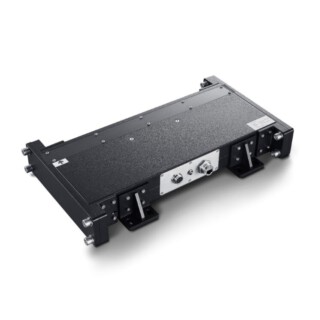
Yes. The detector has built-in mounting points for an anti-scatter grid (ASG), so OEMs can integrate a grid without designing a custom mounting. If needed, Detection Technology can connect OEMs with partners who supply large-format grids optimized for the application.
8. How does it integrate into a CBCT system?
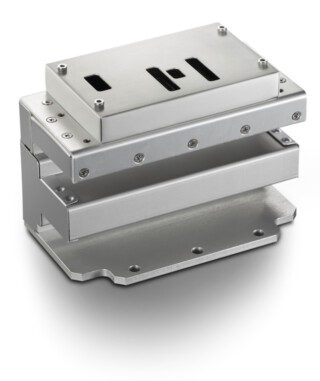
The detector uses a 10G Ethernet data interface and comes with Windows and Linux SDK support. It can be installed in portrait or landscape orientation; in CBCT systems it is typically oriented to maximize the axial field of view. Removable handles make installation and field service easier. Detection Technology’s application engineers can support OEMs with detector evaluation and integration.
9. What are the detector's dimensions and weight?
The detector measures 940 x 510 x 32 mm and weighs 27 kg. OEMs can take these figures into account when designing the gantry and its positioning mechanics.
10. How can faster scans benefit patients?
Faster acquisitions mean shorter examinations, so patients need to stay still for less time. That can improve comfort and reduce the chance of motion-related image degradation. The benefit in practice depends on the system design and the clinical protocol.
11. What regulatory standards does the detector meet?
The X-Panel 4386a FPM-CSV-TG is a component for medical imaging systems, designed to comply with IEC 60601-1 and IEC 60601-1-2, as well as RoHS, REACH and WEEE requirements. The system manufacturer remains responsible for the regulatory clearance of the final medical device. Detection Technology provides the documentation needed to support the OEM’s submission.