



X-ray imaging for battery cell inspection
Written by Milja Kurkela, Senior Application Engineer at Detection Technology | 17 September 2026

As battery production continues to grow across electric vehicles, energy storage systems, and consumer electronics, manufacturers face increasing demands for product quality, reliability, and safety.
Many critical defects originate inside the battery cell, where they cannot be detected through visual inspection alone. Internal issues such as electrode misalignment, voids, contamination, and structural deformation may negatively impact performance, reduce lifespan, or create safety risks.
X-ray imaging provides a non-destructive method for examining battery cells without opening or damaging them. It enables manufacturers to visualize internal structures, evaluate assembly quality, and identify defects before cells are integrated into larger battery systems.
 “X-rays detect failures efficiently for safety and performance of batteries.”
Depending on inspection requirements, manufacturers typically use either 2D X-ray radiography or computed tomography (CT).
Radiography provides fast projection images and is commonly used for production environments where inspection speed is critical. CT imaging goes a step further by reconstructing a three-dimensional representation of the battery cell, enabling detailed analysis of internal structures, interconnections, and defect morphology.

X-ray CT slices of anode / cathode layers for inspection. Images captured in partnership with Excillum, a global leader in the field of advanced microfocus and nanofocus X-ray sources.
Advanced X-ray inspection can reveal features such as:
- Electrode alignment and layer uniformity
- Voids and delamination
- Foreign object contamination
- Cracks and structural deformation
- Internal contact structures
- Wire-bond connections and electronic components
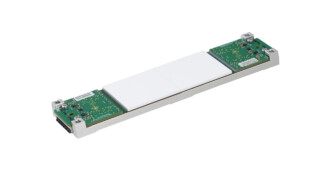
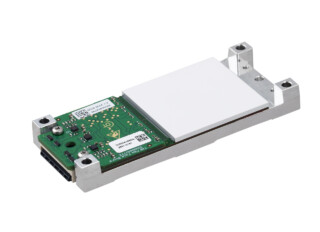
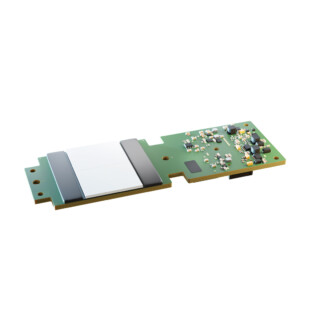
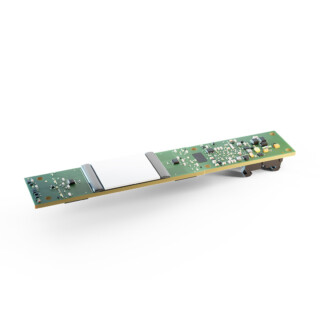
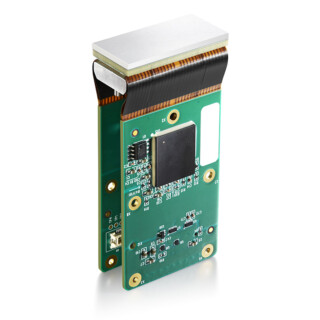
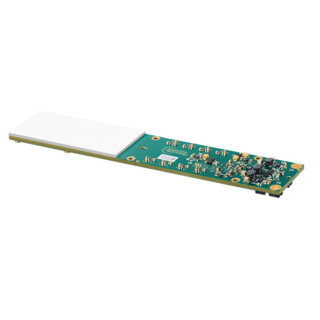
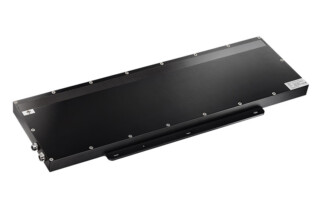
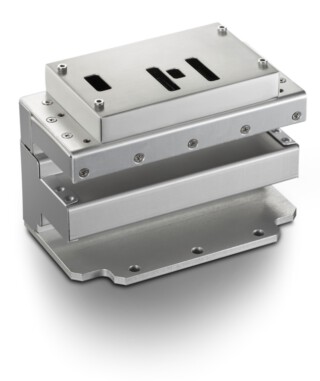
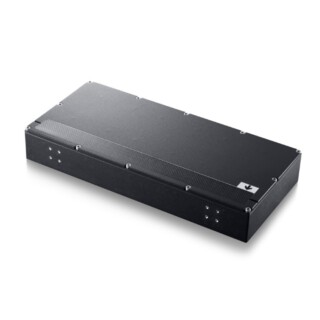
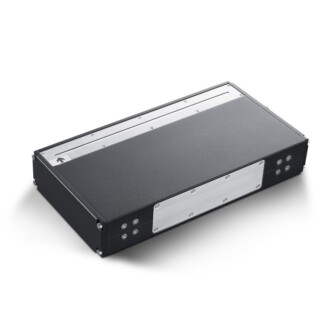
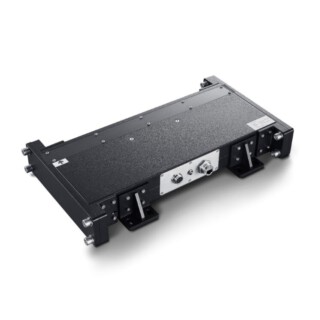
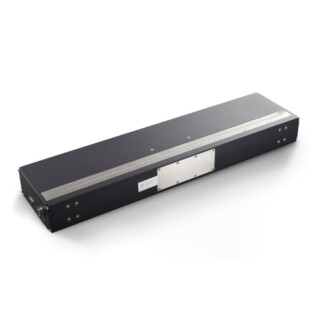
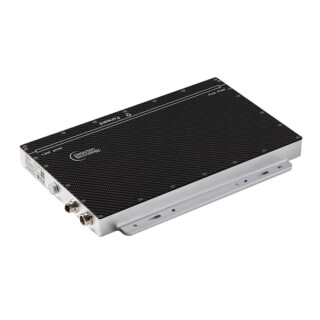
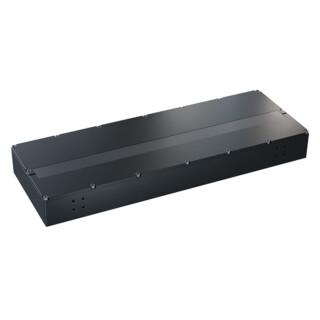
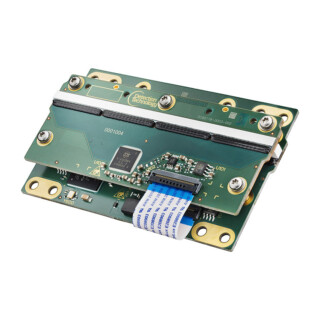
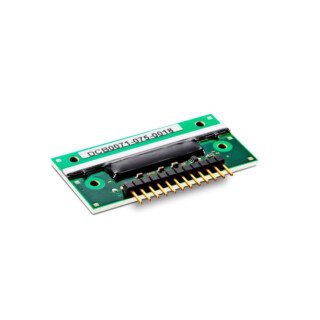
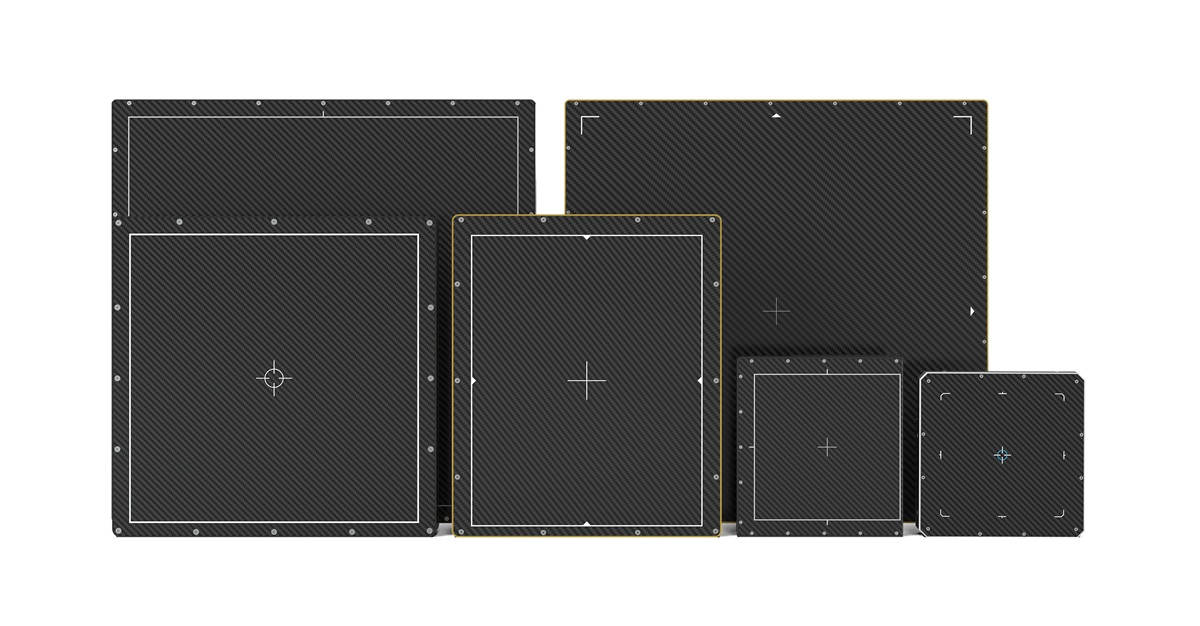
Selecting the right detector is equally important. Image quality, spatial resolution, detector size, noise performance, and inspection speed all influence the ability to detect critical defects and maintain consistent inspection results. As battery manufacturing volumes continue to rise, X-ray imaging remains a key technology for supporting quality control throughout development, production, and failure analysis.
Download our latest application note, X-Ray Imaging for Battery Cell Inspection, to explore battery inspection challenges, X-ray imaging techniques, detector selection considerations, and recommended detector solutions.