


Shielding for high-energy X-ray detectors
Written by Jussi Laurila, Product Manager at Detection Technology | 27 May 2026

Shielding matters when imaging heavy industry. Reliable detector protection starts with proper shielding design.
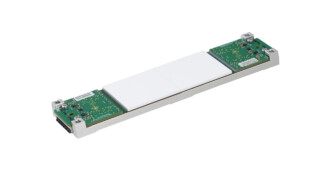
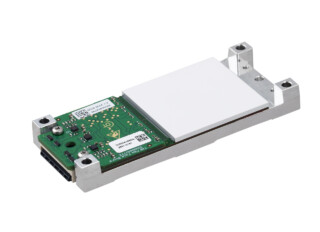
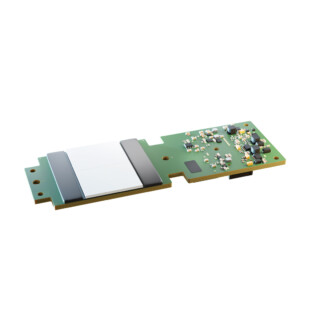
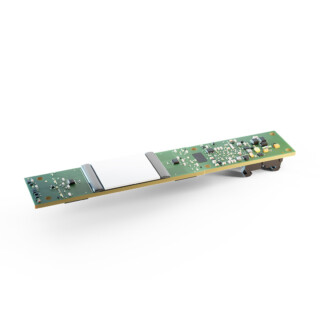
Designing reliable X-ray systems means more than optimizing image quality. Detector lifetime, electronics reliability, radiation dose management, and system weight all depend on effective shielding. This technical application note explains how to determine suitable X-ray shielding for detectors operating in applications up to 500 keV.
Built for real engineering decisions
Whether you are developing industrial CT systems, cargo scanners, NDT equipment, or high-energy inspection systems, shielding design quickly becomes a tradeoff between:
- Radiation attenuation
- Mechanical constraints
- Weight and footprint
- Material cost
- Manufacturability
- Detector reliability
This guide gives engineers practical methods and calculation examples for selecting shielding materials and thicknesses based on real operating conditions.
What’s inside
Practical shielding calculations
Learn how to calculate required shielding thickness using the Beer–Lambert attenuation law.
Material comparison: Lead vs Tungsten
Compare density, attenuation coefficients, and shielding performance across multiple X-ray energies.
Energy-specific shielding data
Reference calculated shielding thicknesses from 100 keV up to 500 keV.
Scatter & distance considerations
Understand how backscatter, geometry, and source-detector distance impact effective dose levels.
Engineering examples
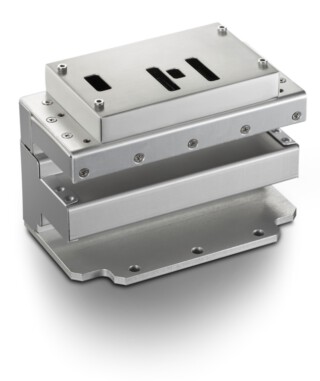
See shielding implementation examples for detector integration and system-level protection.
Why shielding matters
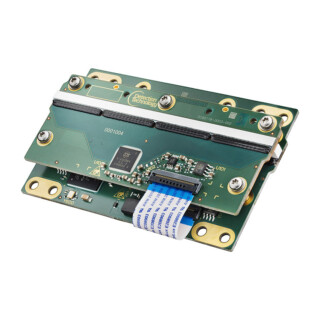
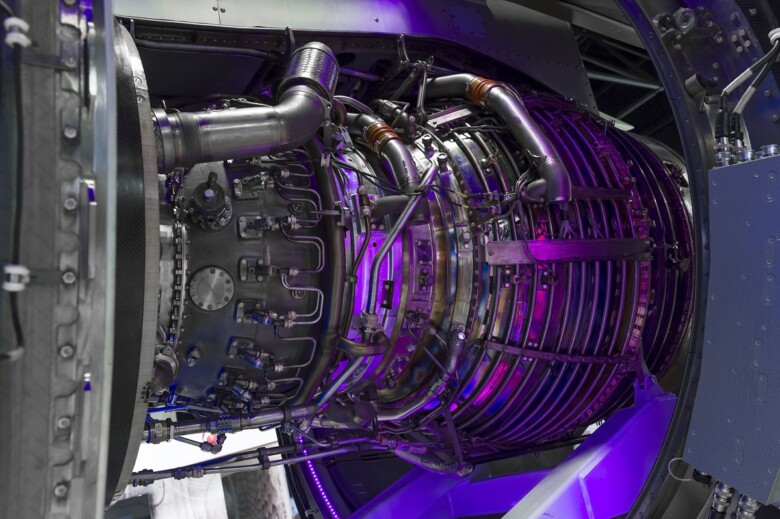
Active detector electronics—including FPGA-based systems, memories, and ICs—can suffer long-term degradation from ionizing radiation exposure.
Proper shielding helps:
- Extend detector and electronics lifetime
- Reduce total ionizing dose (TID)
- Improve system reliability
- Minimize service and replacement costs
- Optimize safety margins in demanding environments
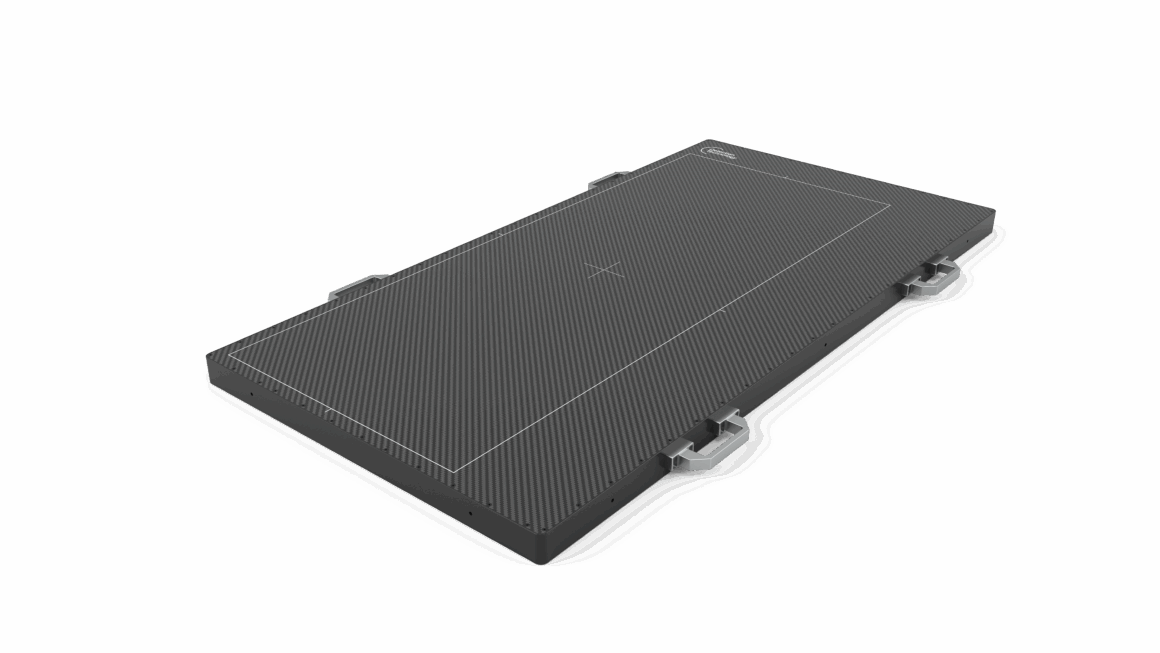
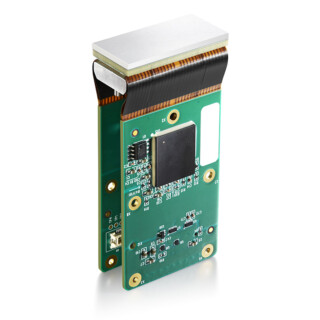
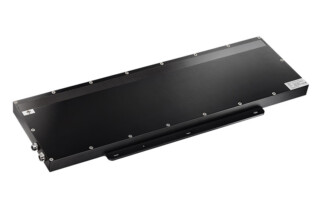
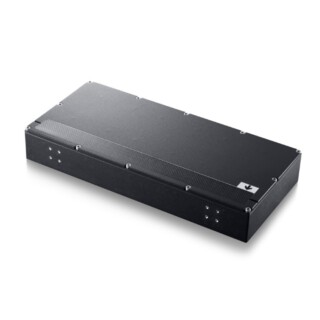
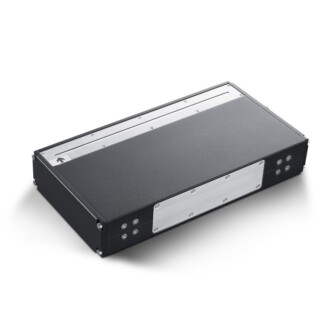
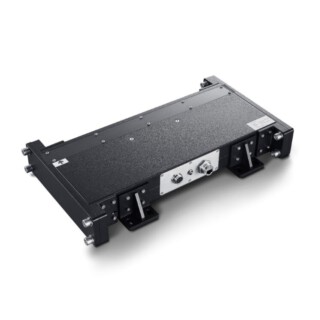
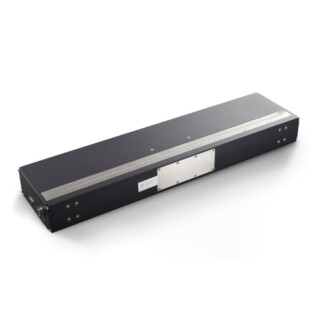
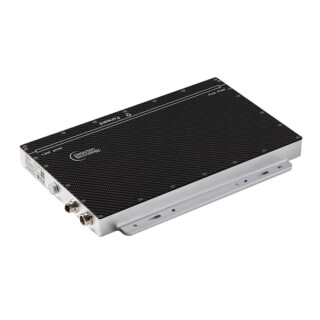
For example Detection Technology’s X-Panel 43108a flat panel detector is optimized for high-energy NDT applications, combining advanced shielding design with reliable imaging performance for linear accelerators up to 16 MV.
Key topics covered
- X-ray attenuation principles
- Shielding material properties
- Mass attenuation coefficients
- Linear attenuation calculations
- Dose reduction methods
- Inverse square law considerations
- Backscatter shielding strategies
- Thickness optimization for Pb and W
Relevant for engineers working with
- Industrial radiography
- High-energy NDT systems
- Cargo and security scanners
- CT systems
- Scientific imaging systems
- Detector electronics protection
Technical, practical, actionable
This is not a theoretical overview. The content is focused on engineering implementation, practical calculations, and material selection guidance engineers can directly apply during system design. Get practical methods, formulas, attenuation data, and shielding examples for X-ray detector protection up to 500 keV.