
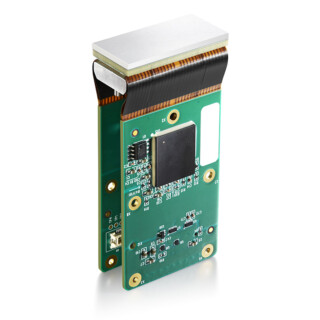
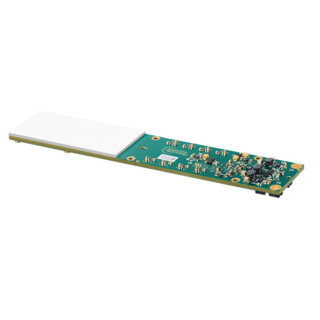

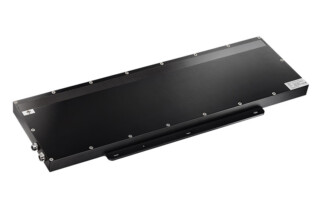
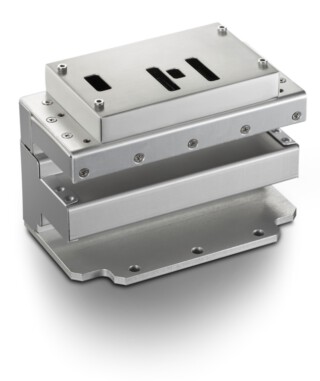
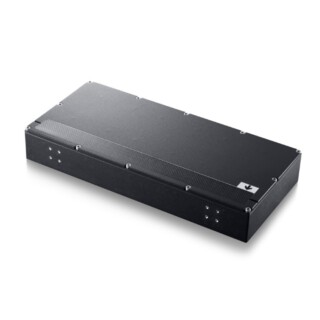
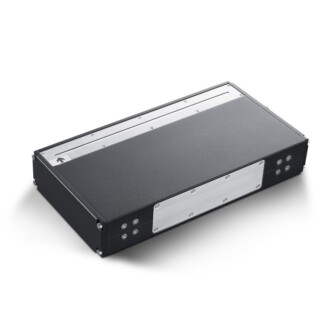
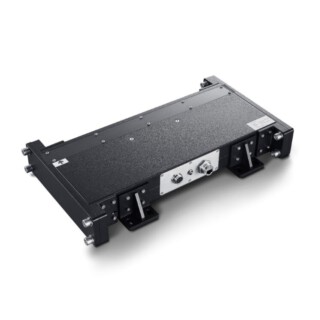
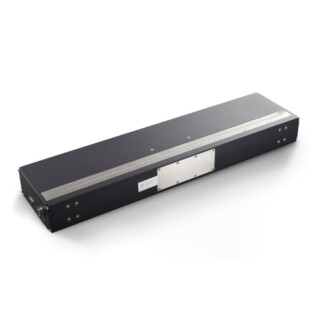
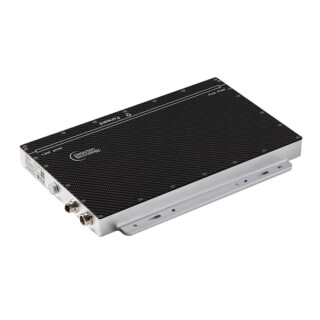
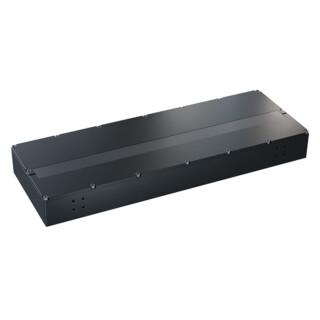

Choosing the right X-ray flat panel detector: A practical guide to matching X-Panel capabilities with system needs
Written by Milja Kurkela, Senior Application Engineer at Detection Technology | 18 June 2026

Choosing an X-ray detector is a key decision in imaging system design. It affects image quality, system performance, and how complex the final integration becomes. Many systems are still designed by comparing specifications such as resolution or frame rate. This approach often leads to unnecessary complexity because it does not start from the real application need. The more effective approach is to match detector capabilities to the system requirements from the beginning.
Are you asking the right questions?
Before selecting a detector, it is important to step back and define the problem clearly. Typical questions include:
- What is the application environment?
- What level of image quality is actually required?
- How fast does the system need to operate?
- How will timing and synchronization be handled?
- How will the detector fit into the overall system design?
These questions shape the entire solution, not just the detector choice.
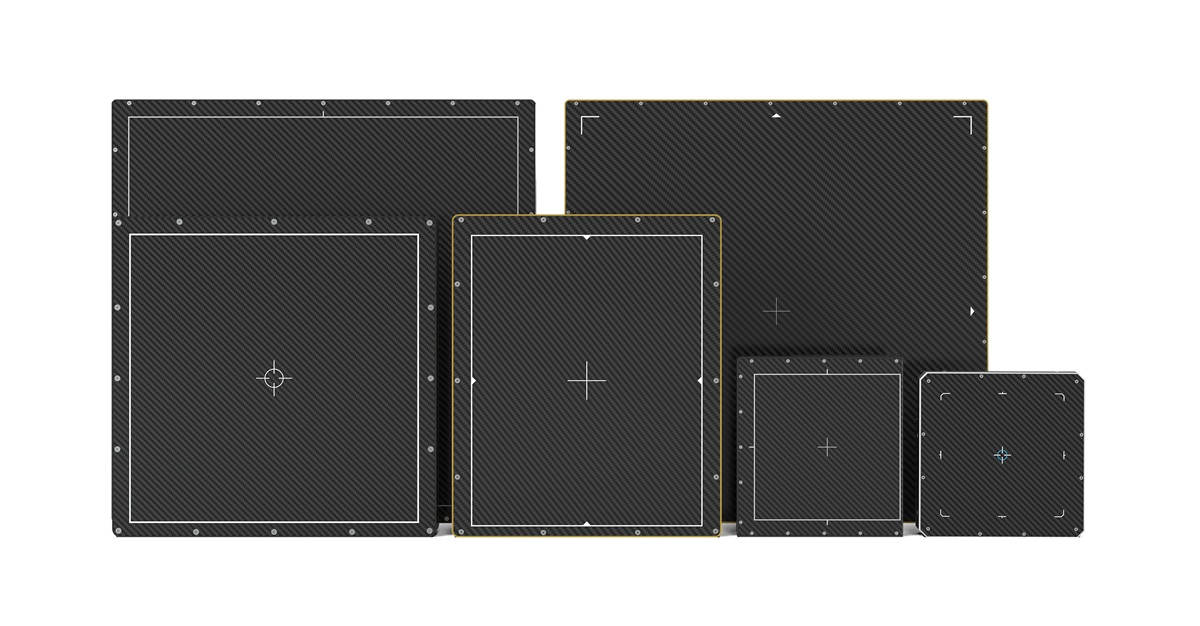
What determines the right detector for a system?
The answer is not a single specification. The right detector is the one that fits the application, the operating conditions, and the system architecture. In many cases, the challenge is not lack of performance, but choosing features that are not needed.
Do higher specifications always improve results?
Not necessarily. Higher resolution, higher frame rate, or lower noise only matter if they improve usable information in the application. Otherwise, they increase data load, processing requirements, and integration effort.
Understanding what is “good enough” is often more valuable than aiming for the maximum.

What typically becomes a problem later in development?
Some of the most critical issues are not visible in early comparisons. Examples include:
- Timing and synchronization between detector and X-ray source
- Behavior of rolling shutter during real operation
- Mechanical and thermal integration constraints
- Data interface and system compatibility
These factors often define how smooth or difficult the integration phase will be.
What role does system level thinking play?
A detector does not operate in isolation. It is part of a complete imaging chain. Decisions related to image quality, speed, synchronization, and integration are all connected. Optimizing one parameter alone rarely leads to the best overall result. Taking a system level approach early helps avoid redesign and reduces development time.
Explore the full selection process
This overview highlights the key questions, but the actual selection process involves deeper technical decisions and trade offs that depend on the application.
Download the full application note to learn:
- How to define image quality requirements based on real use cases
- When detector technology choices actually matter
- What to consider in timing and synchronization
- How integration affects long term system performance
- How to avoid overengineering