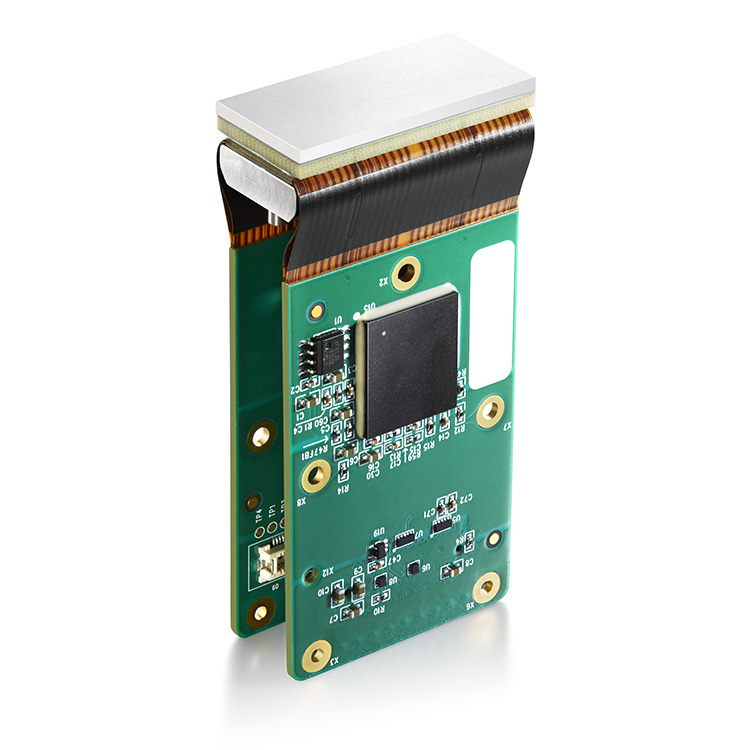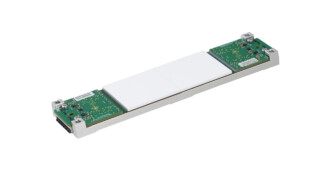
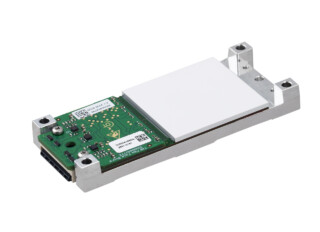
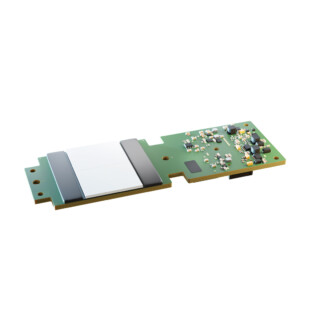
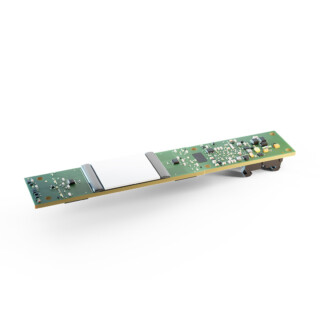
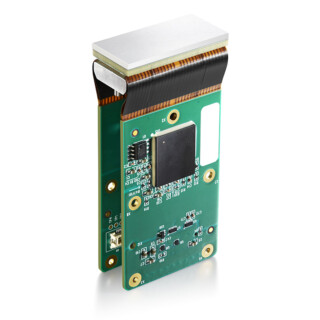
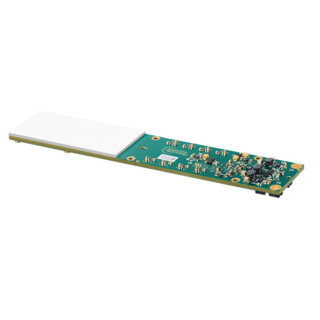

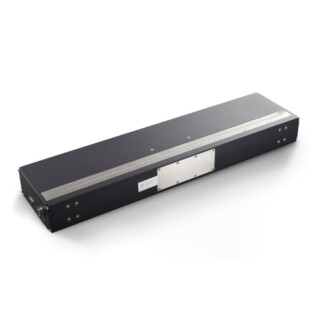
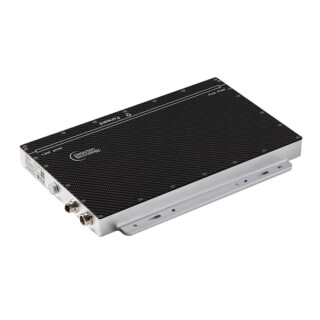
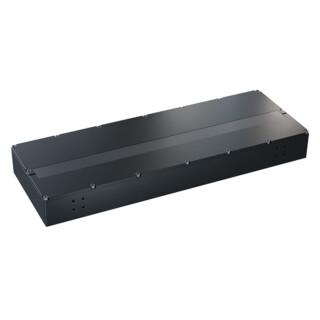

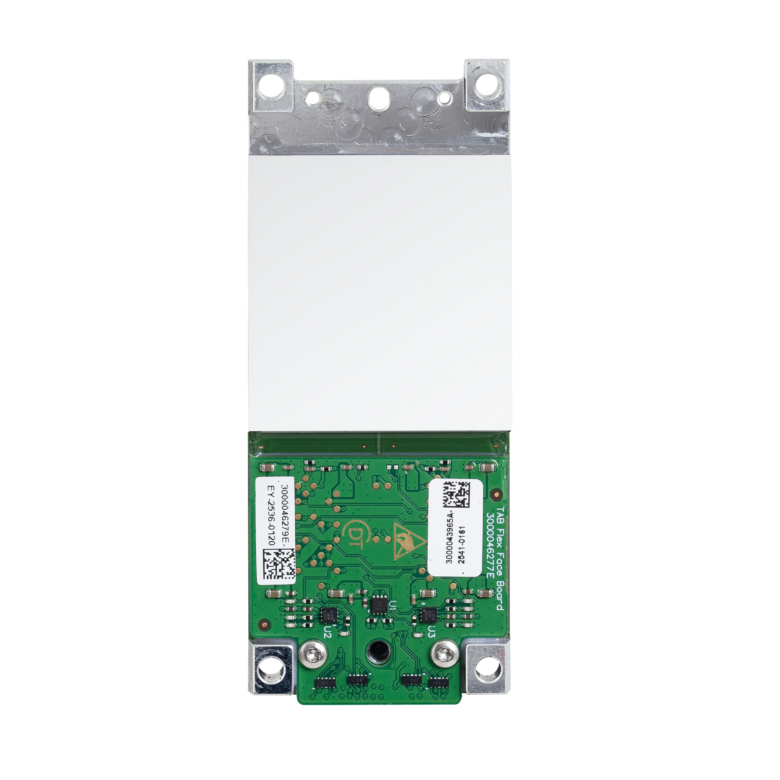
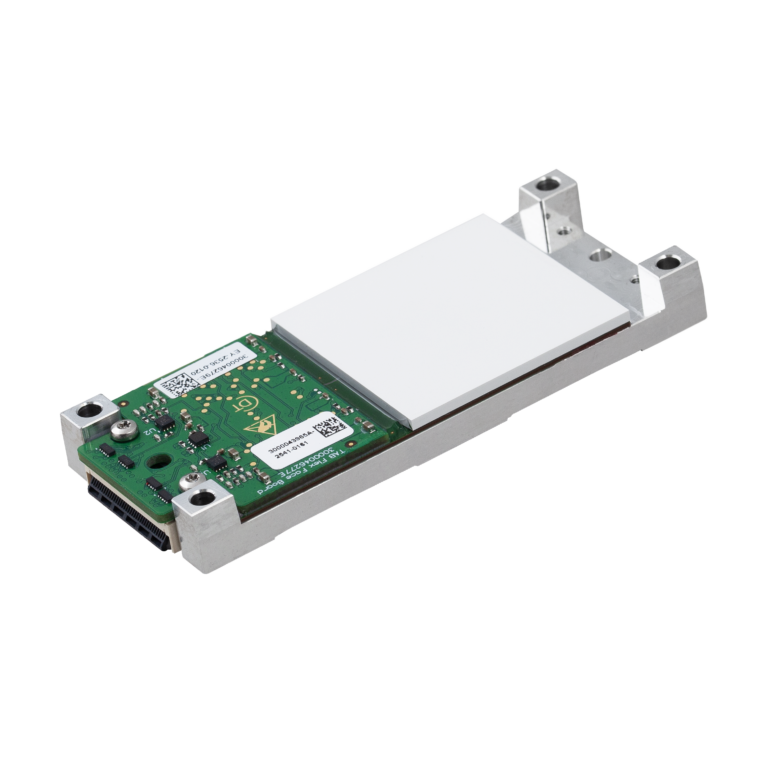
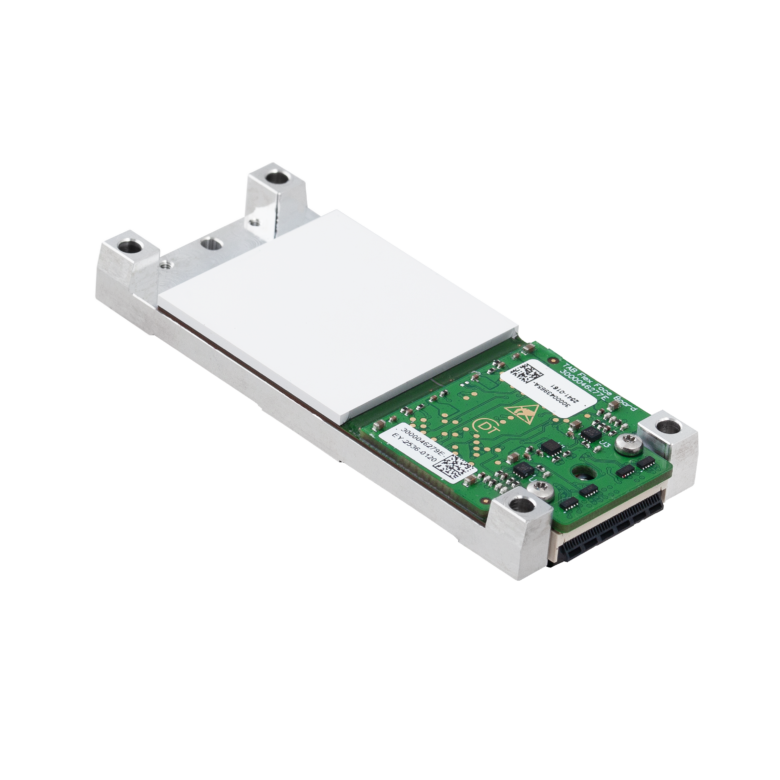
Off-the-shelf 64-slice CT detector for high-speed and low-dose medical imaging
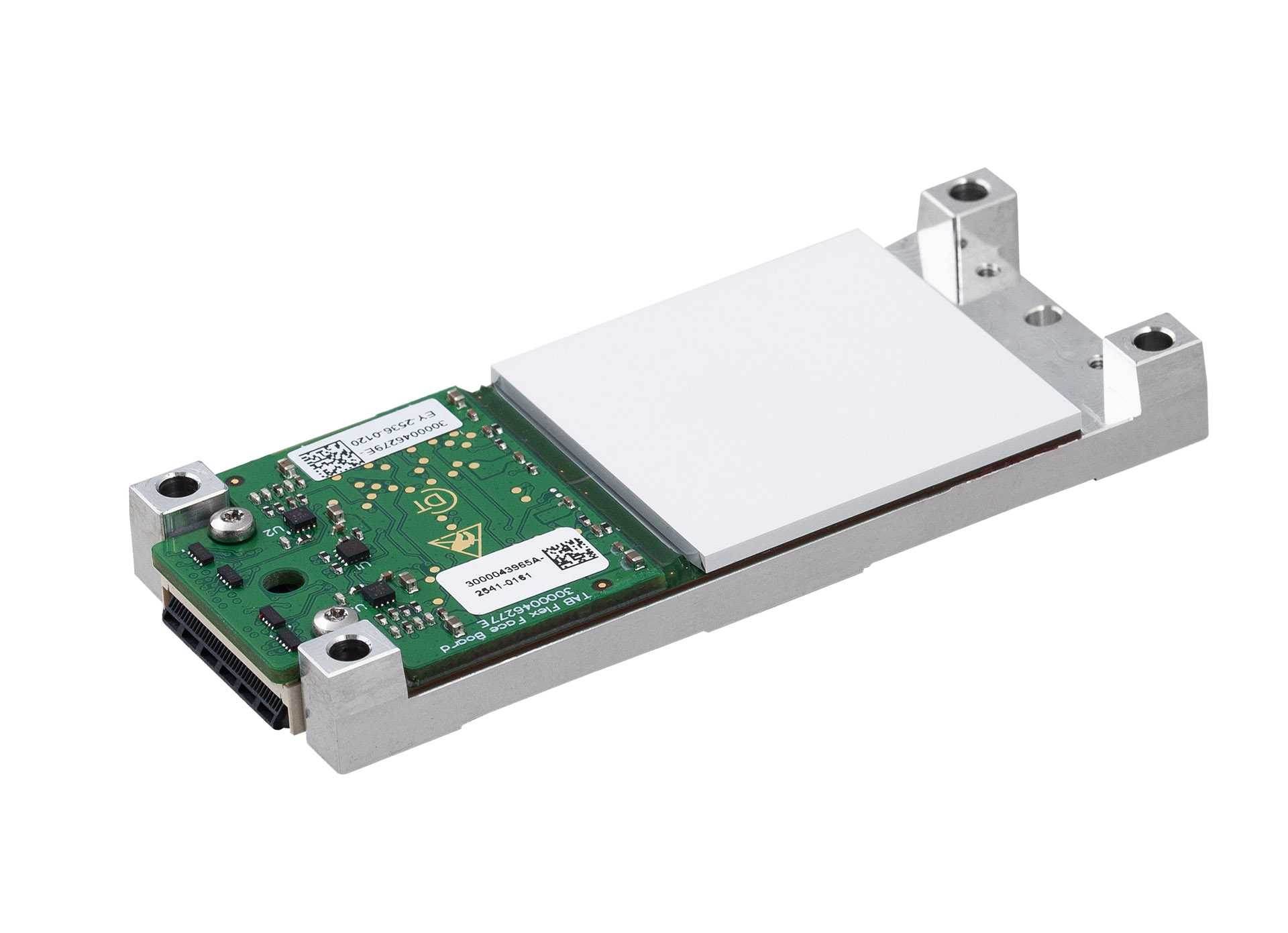
X-ACE 32 HS
Off-the-shelf, stable CT detector
for high-speed and low-dose
medical imaging
Reliable, high-quality CT imaging with low noise, high stability, and consistent slice-to-slice performance
Supports fast scan speeds without compromising uniformity or detail
Clean, predictable signal performance across a wide exposure range
Reduced thermal drift and rotation-related artifacts
Fast and accurate mechanical integration with pre-engineered mounting features
Reliable high-speed data transfer and simplified system integration via digital interface
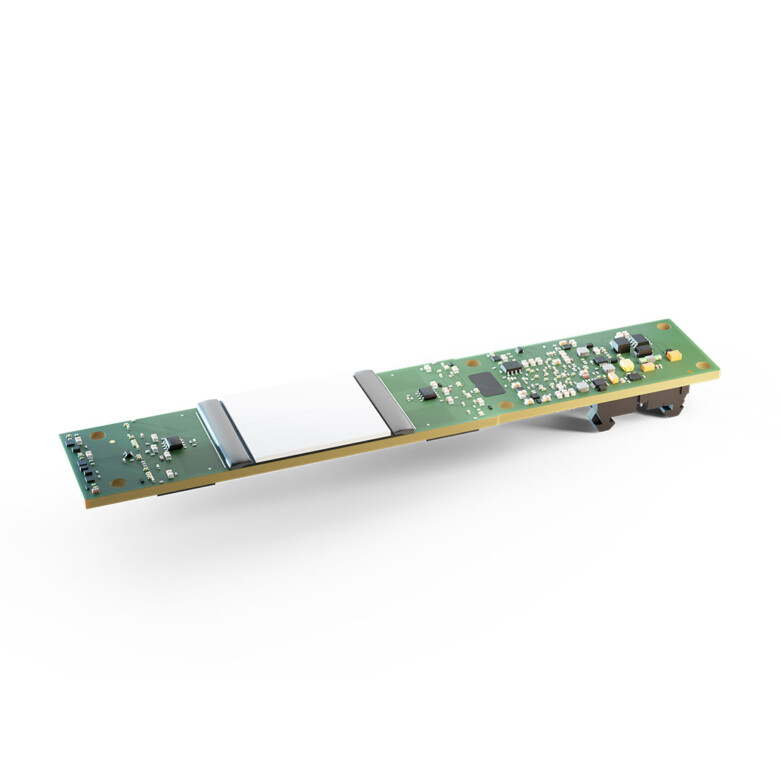
Scalable 32- and 64-slice platform with shared interface, identical pixel pitch, and minimal redesign effort
Validated detector-to-processing imaging chain through AIDA, reducing integration effort and time-to-market
Key features
- Precisely defined pixel geometry with consistent pixel pitch (32- and 64-slice)
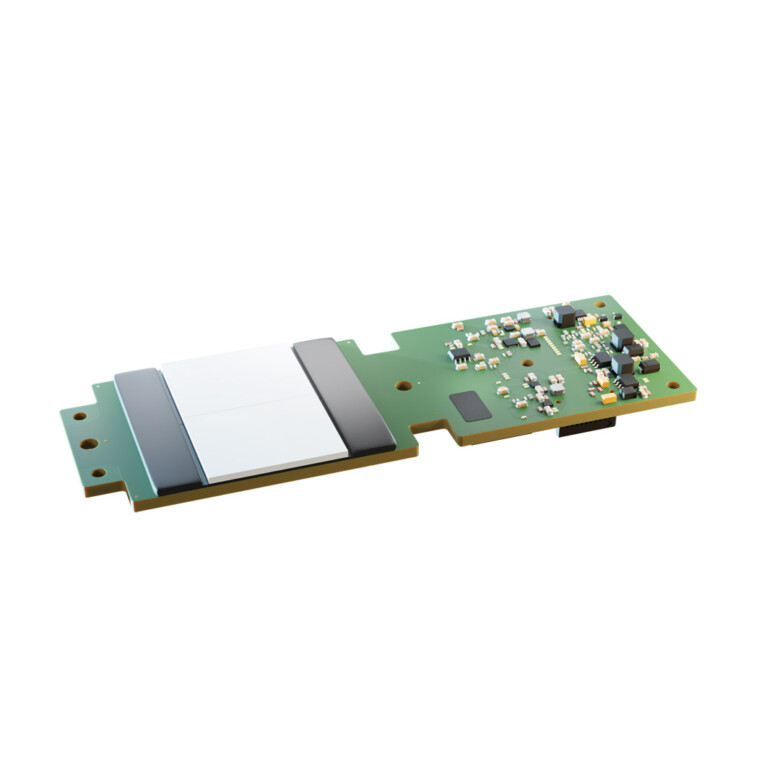
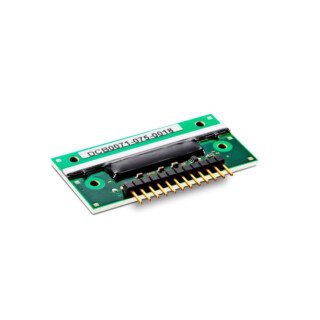
- Medical-grade, low-afterglow GOS scintillator matched to photodiode design
- Integrated BSI photodiode with high-resolution 24-bit ADC chain and calibrated full-scale charge range
- Onboard temperature sensors
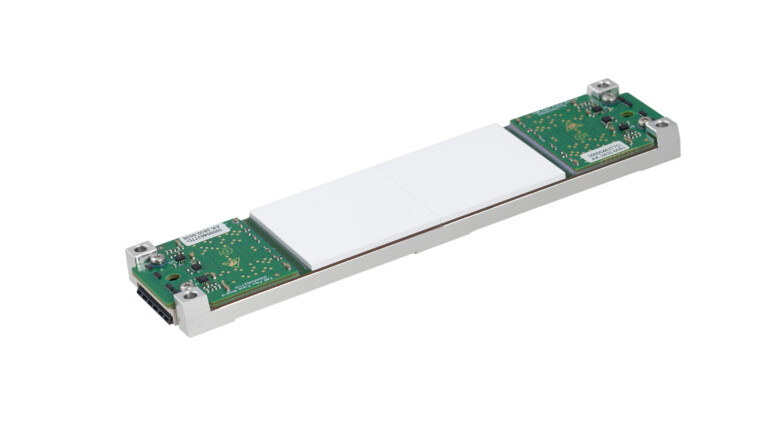
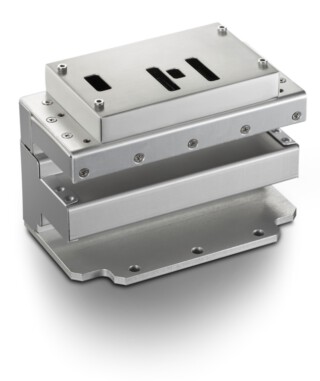
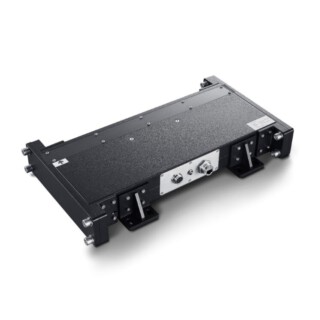
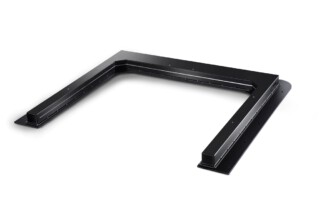
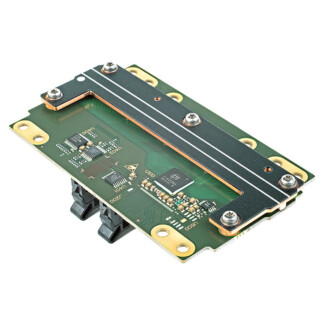
- Rigid aluminum bracket with integrated ASG mounting points, reference edges, and CT-gantry guide features
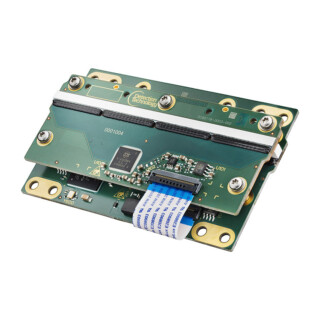
- High-speed LVDS digital interface for pixel data and timing signals
- Common electrical and mechanical platform across slice variants
- AIDA-compatible subsystem interface
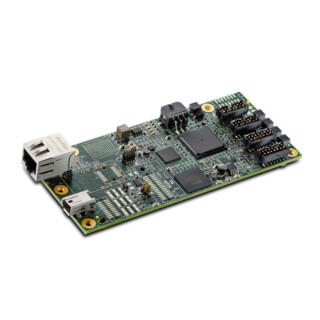
- Dedicated detector-side DAS provided through the AIDA platform with synchronized timing and high-speed data conditioning
Applications
- Medical CT imaging
Downloads and links
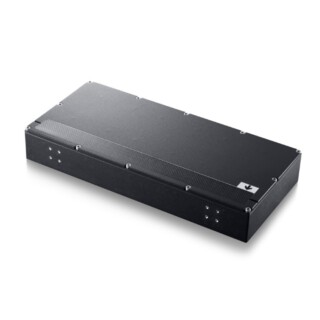
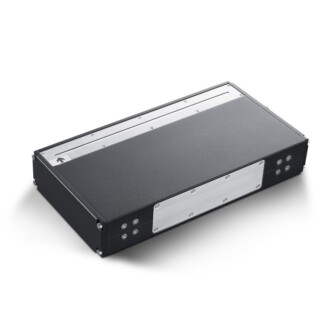
Designed for next-generation CT systems requiring faster scan speeds, lower noise, high stability, and seamless subsystem integration, the X-ACE HS (high-speed) detector series provides reliability for advanced diagnostic imaging. The optical and electronic architecture ensures consistent signal linearity, temporal stability, and slice-to-slice uniformity — all essential for robust CT image quality.
A precisely defined pixel structure combined with a matched scintillator–photodiode–24-bit ADC design supports stable signal formation across all slices. The low-afterglow GOS scintillator, high-resolution photodiode, and low-noise digitization chain enable clean energy integration and predictable output across a wide exposure range — even during fast gantry rotation and short integration times.
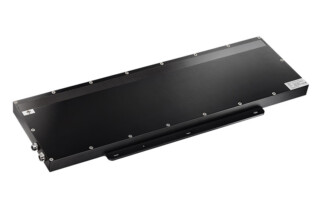
Integrated temperature monitoring and a mechanically robust structure minimize thermal drift and rotation-related artifacts during demanding CT duty cycles. A rigid aluminium bracket with integrated ASG mounting points and gantry guide features ensures accurate, repeatable installation and simplified alignment.
A high-speed LVDS digital interface enables reliable data transmission and straightforward system integration, supporting precise timing control.
The X-ACE HS family is built as a scalable platform. Both 32-slice and 64-slice modules share a common electrical interface, identical pixel pitch, and similar mechanical form factor, enabling easy scalability with minimal redesign. This platform approach supports product-line expansion and faster development of new CT variants.
While fully functional as standalone modules, X-ACE HS detectors integrate seamlessly with the AIDA platform. The AIDA solution provides a complete, validated high-speed imaging chain — including the required data acquisition system (DAS), available exclusively as part of AIDA — reducing engineering effort, simplifying subsystem integration, and accelerating time-to-market.
Complete imaging chain with AIDA
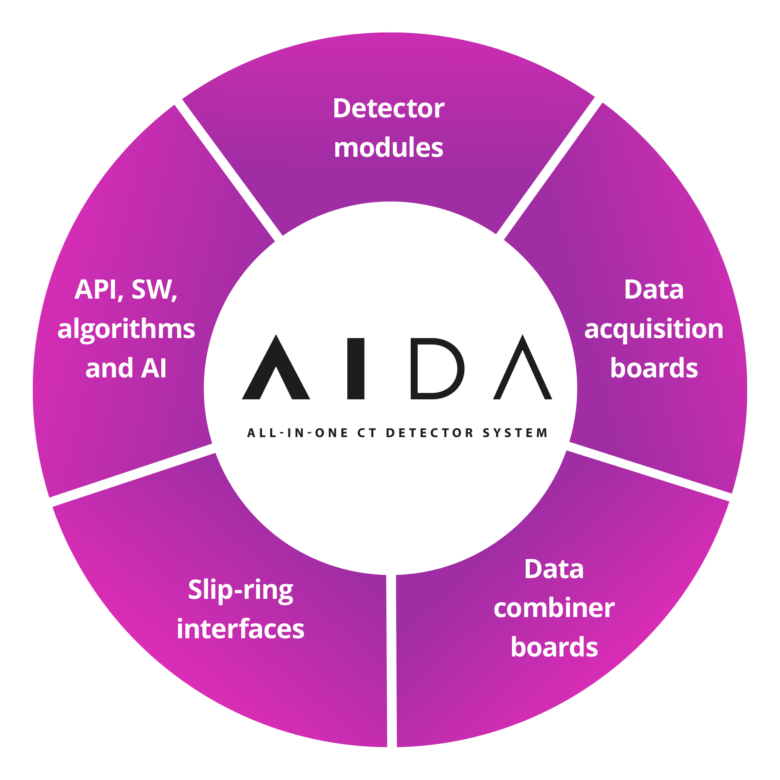
While X-ACE HS delivers detector-level performance, AIDA provides the validated
subsystem architecture that connects the detector seamlessly to the full CT
imaging chain. It manages high-speed data handling, synchronization, timing
control, and power distribution through a tightly integrated platform that includes
a dedicated detector-side DAS.
AIDA delivers a complete and validated detector-to-processing imaging chain
with deterministic synchronization and reliable high-speed data aggregation.
Its scalable architecture supports both 32- and 64-slice systems while reducing
subsystem development complexity, lowering integration risk, and accelerating
system bring-up.