



X-ray imaging for battery cell inspection
13 July 2023
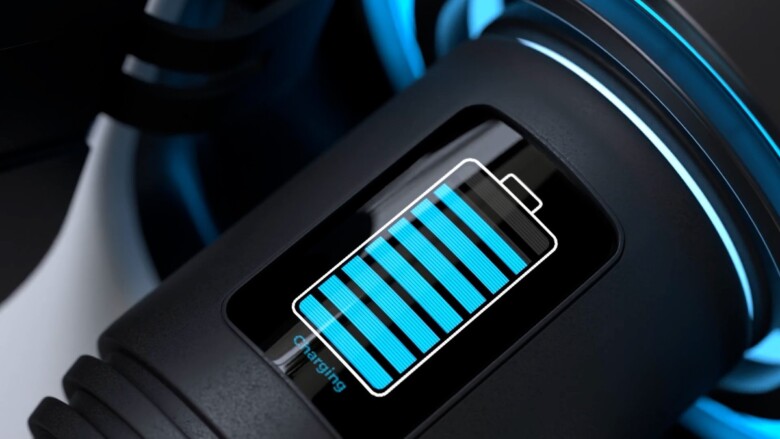
As the world transitions to cleaner and more sustainable sources of energy, the demand for lithium batteries has skyrocketed in recent years. Lithium batteries have become the go-to energy storage solution for a wide range of applications, including electric vehicles, consumer electronics, and renewable energy storage systems. As a result, the global lithium battery industry has been experiencing significant growth, with a projected compound annual growth rate of 15.8% from 2023 to 2030 according to a report by Grand View Research.
With this growth comes the need for consistent and reliable quality control measures to ensure the safety and performance of these batteries. One such technique is the use of X-ray imaging for battery quality control. X-ray is a powerful tool that is useful throughout the battery manufacturing process and the battery lifecycle.
X-ray can reveal defects hidden within material and can be helpful in inspections across a wide range of industries involved in battery supply chains including mining, raw material processing, film inspection, battery packs and modules, failure analysis, and finally in battery recycling. This application note focuses on battery cell X-ray inspection. Finding defects in a battery cell before it is incorporated into a module saves resources and can provide feedback for optimizing the manufacturing process.
“X-rays detect failures efficiently for safety and performance of batteries.”

X-ray imaging is a non-destructive testing (NDT) technique that allows manufacturers to inspect the internal components of a battery cell without damaging it. By using X-ray imaging, manufacturers (or failure analysts) can identify any defects or irregularities in the battery’s internal structure that may compromise its safety or performance. This includes detecting air pockets, cracks, or foreign objects that may have been introduced during the manufacturing process.
X-ray imaging is particularly useful for lithium batteries because of their complex internal structure. Lithium batteries consist of multiple layers of materials, each with a specific function, such as the anode, cathode, and electrolyte. X-ray imaging can help manufacturers ensure that each layer is uniform and correctly positioned, which is crucial for the battery’s overall performance and safety.
Furthermore, X-ray imaging is a quick and efficient quality control method that can be easily integrated into the manufacturing process. It allows manufacturers to inspect batteries in real-time, which reduces the risk of defects going unnoticed and potentially causing safety issues down the line.

X-ray CT slices of anode / cathode layers for inspection. Images captured in partnership with Excillum, a global leader in the field of advanced microfocus and nanofocus X-ray sources.
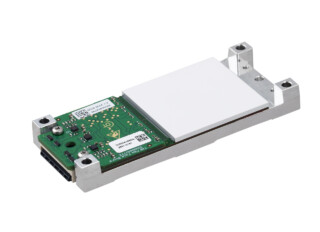
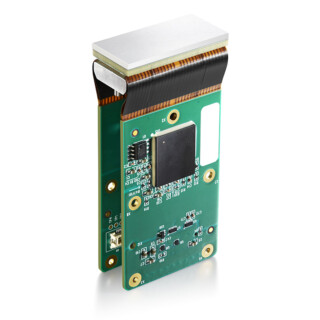
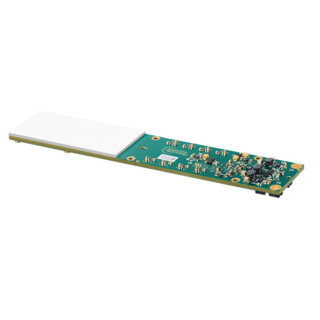
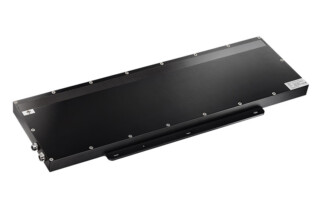
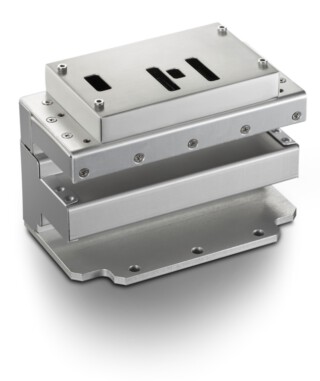
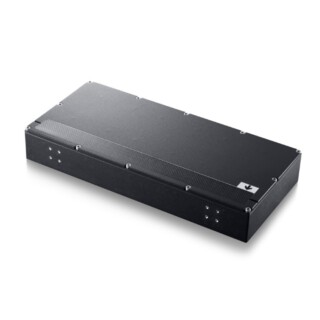
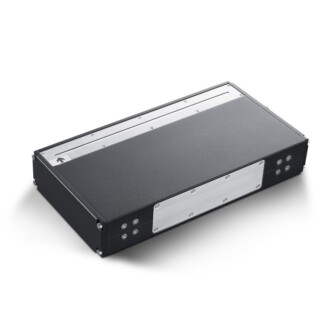
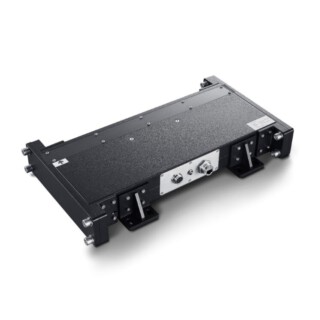
Detection Technology (DT) is a global leader in providing X-ray detector solutions. DT’s modular and compact products are designed for demanding industrial environments and analysis applications. DT provides off-the-shelf detectors that feature reliability, robustness, high sensitivity with a low X-ray dose, and fast scanning speeds. It has TDI-based, multi-view, dual-energy, and multi-energy detectors in its portfolio from where to pick the most suitable solution for specific inspection need.
Recommended DT products for battery cell inspection
| Detector | Active area (mm) | Pixel pitch (μm) | Sensor |
|---|---|---|---|
| X-Panel 2530 FQI-XM | 243 x 307 | 100 | a-Si |
| X-Panel 4343 FQI-XM | 428.8 x 428.8 | 100 | a-Si |
| X-Panel 3030 FQI-M | 2046 x 2046 | 140 | a-Si |
| X-Panel 1613 FDI | 1024 x 1248 | 125 | a-Si |
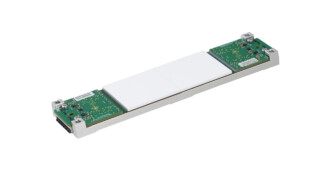
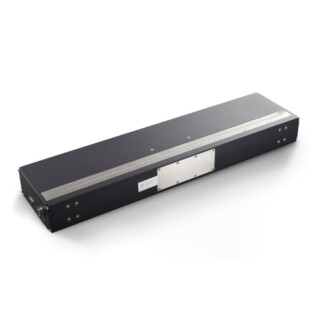
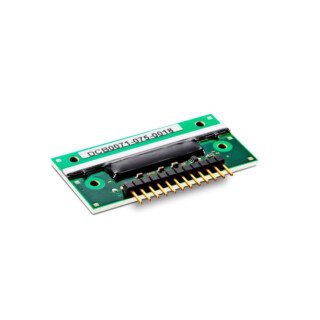
| X-Scan T02 | 205 x 6.4, 410 x 6.4 | 50 | CMOS |

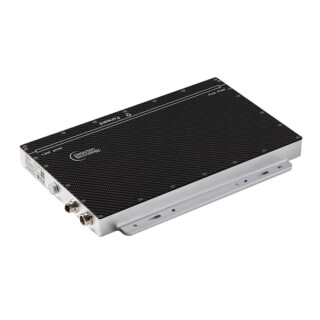
X-Panel 1613a FDM is an example of DT’s offering for battery inspection. It is based on amorphous silicon (a-Si) technology that features a high dynamic range and a long lifetime.
DT’s technology can be used at multiple points in the manufacturing and failure analysis processes. Deformities can not only cause functionality issues, but also catastrophic failures including those leading to ignition. At the heart of each X-ray test is the examination of the batteries for defects.
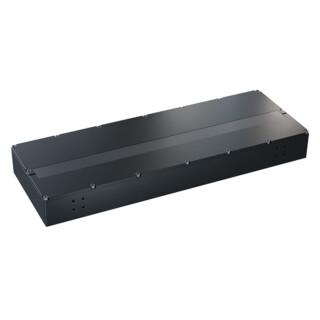
DT’s X-Scan T can be utilized for metal film inspection, to examine the uniformity of layers, any potential overhangs or deformations. DT’s flat panel detectors such as X-Panel 4343 FQI-XM, and X-Panel 3030 FQI-M, can be used to examine internal features of the battery packages, including circuitry, to confirm proper assembly as well as the absence of any foreign particulates.
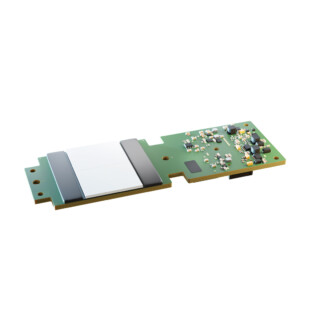
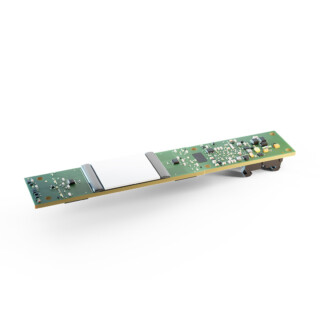
DT detectors can be mated with a variety of X-ray sources, including micro-focus sources, which can be paired with our new smaller pixel TFT flat panel systems. Furthermore, DT detectors can be used in systems that comply with relevant ASNT and ASTM methods for X-ray imaging.
DT product managers and application engineers are ready to support battery manufacturers to design the testing system best suited to your manufacturing processes and lines. Systems can be designed for high speed automated analysis, as well as individual manual testing scenarios.